
The Psychology of Scarcity in Instagram Like Behavior
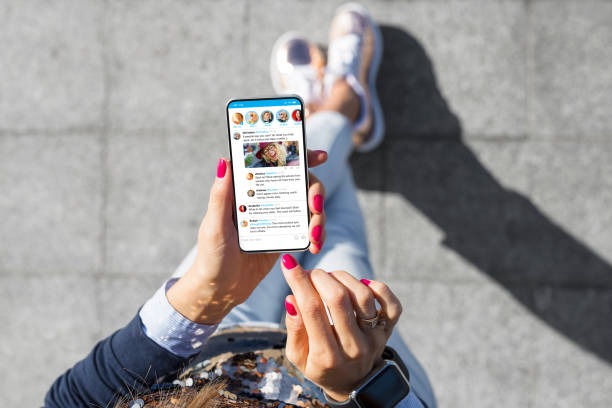
The psychology of scarcity plays a significant role in shaping human behavior, and its presence is particularly evident in the realm of social media. Instagram, as one of the most popular platforms for self-expression and connection, has become a space where likes serve as currency for validation and recognition. The interplay between scarcity and this digital form of approval has profound implications for how users interact with content and perceive their self-worth.
Scarcity refers to the perception that something is limited or rare, which inherently increases its value. On Instagram, likes are often treated as finite resources—highly sought after but not always easy to obtain. This dynamic fosters competition among users who strive to create content that garners attention in an oversaturated environment. The more elusive these facebook likes buy cheap seem, the more people desire them, creating a cycle where engagement becomes both a goal and a measure of success.
This phenomenon can be explained through psychological principles such as social comparison theory. People naturally compare themselves to others to evaluate their standing within a group or society. When scrolling through Instagram feeds filled with highly curated posts showcasing idealized lifestyles, individuals may feel pressured to achieve similar levels of approval through likes. The scarcity effect amplifies this pressure; fewer likes on one’s own posts can lead to feelings of inadequacy or exclusion from perceived social norms.
Moreover, intermittent reinforcement—a concept rooted in behavioral psychology—further drives like-seeking behavior on Instagram. Users do not receive consistent feedback for every post they share; instead, the number of likes fluctuates based on factors like timing, hashtags used, or algorithmic visibility. This unpredictability mirrors gambling behaviors where infrequent rewards make each “win” (in this case, receiving many likes) all the more gratifying—and addictive.
However, chasing scarce approval comes at an emotional cost. Research suggests that tying self-esteem too closely to external validation leads to anxiety and decreased well-being over time. For frequent users who equate their worth with digital metrics like likes or followers, even minor fluctuations can have outsized impacts on mental health.
Understanding the psychology behind scarcity-driven behaviors offers insight into why people engage with platforms like Instagram so intensely yet often experience dissatisfaction from doing so. By recognizing these patterns within ourselves and adopting healthier perspectives toward online interactions—for instance by focusing on authenticity rather than numerical validation—we can mitigate some negative effects while still enjoying meaningful connections facilitated by social media tools.